


Online Therapy for Trauma, Anxiety & Burnout
You’re not broken. Your nervous system has been on duty too long.
You’ve done everything “right.” You work hard, you show up, you take care of everyone. And you still feel like hell: wired and exhausted, short-fused or numb, sometimes both in the same hour.
I’m Adrienne M. Koller, a licensed trauma therapist. I help people who can’t just stop and rest figure out what their body has been carrying so they can finally put it down.
I offer online therapy in Texas, California, Vermont, South Carolina, Florida, Utah, Ohio, Idaho, and Maine, plus Walk & Talk sessions in Ventura, Oxnard, and Malibu, CA.
What’s actually going on in your body
Trauma doesn’t just live in your memories. It lives in your body.
When your body decides you’re in danger, it reacts before your thinking brain gets a vote. That’s why “just calm down” has never worked on you. It’s also why you can snap, freeze, go numb, or lie awake at 3 a.m. with no idea why.
This short video explains the biology without the overwhelm:
Here’s the part the video doesn’t cover. When your system keeps sounding the alarm after the threat is gone, understanding it isn’t enough. That’s when trauma therapy matters. I don’t just explain the fight, flight, and freeze cycle. I help you regulate it, retrain it, and feel steady again, especially if you work somewhere you can’t shut down or lose focus.
Burnout, anxiety, and trauma overlap. Here’s how I sort it out.
Burnout:
Chronic stress that never gets resolved, usually at work. It shows up as exhaustion, detachment, and the feeling that nothing you do is enough.
Anxiety:
Your alarm system stuck on: constant worry, racing thoughts, a body that won’t unclench.
Trauma:
When something overwhelmed you, or a lot of smaller things piled up, and your body is still reacting as if it’s happening now. You don’t need one big event or a PTSD diagnosis for it to be real.
Most people I work with have a mix. You don’t have to figure out which one you’ve got before you call. That’s my job.
How I work
I’m direct. I’ll listen, and I’ll also tell you when I see a pattern that’s costing you sleep, relationships, or health. If you’re overwhelmed, we start by getting you steady and we don’t go near the hard stuff until you’re ready. You set the pace.
Depending on what you’re dealing with, we might use:
-
Processing distressing memories so they stop hijacking the present.
-
Working through the stuck beliefs about blame, safety, and trust that trauma leaves behind.
-
A brief, structured approach where you write about what happened.
-
Gradually approaching the memories and situations you’ve been avoiding.
-
Changing the thought and behavior patterns that keep anxiety and stress going.
-
Tools for getting through intense emotion without blowing up or shutting down.
These are all evidence-based approaches, and we choose together based on your history, your symptoms, and your goals.
Who I work with
My work centers on people whose jobs don’t leave room to fall apart:
What people come to therapy hoping for
Trusting yourself more and second-guessing less
Fewer blowups and fewer shutdowns
Feeling safe in your own body again
Saying “I need space” without writing a speech to justify it
Resting without guilt
Feeling like yourself
I can’t promise how fast or how far you’ll get. I can promise to be straight with you about how it’s going.

What happens when you reach out
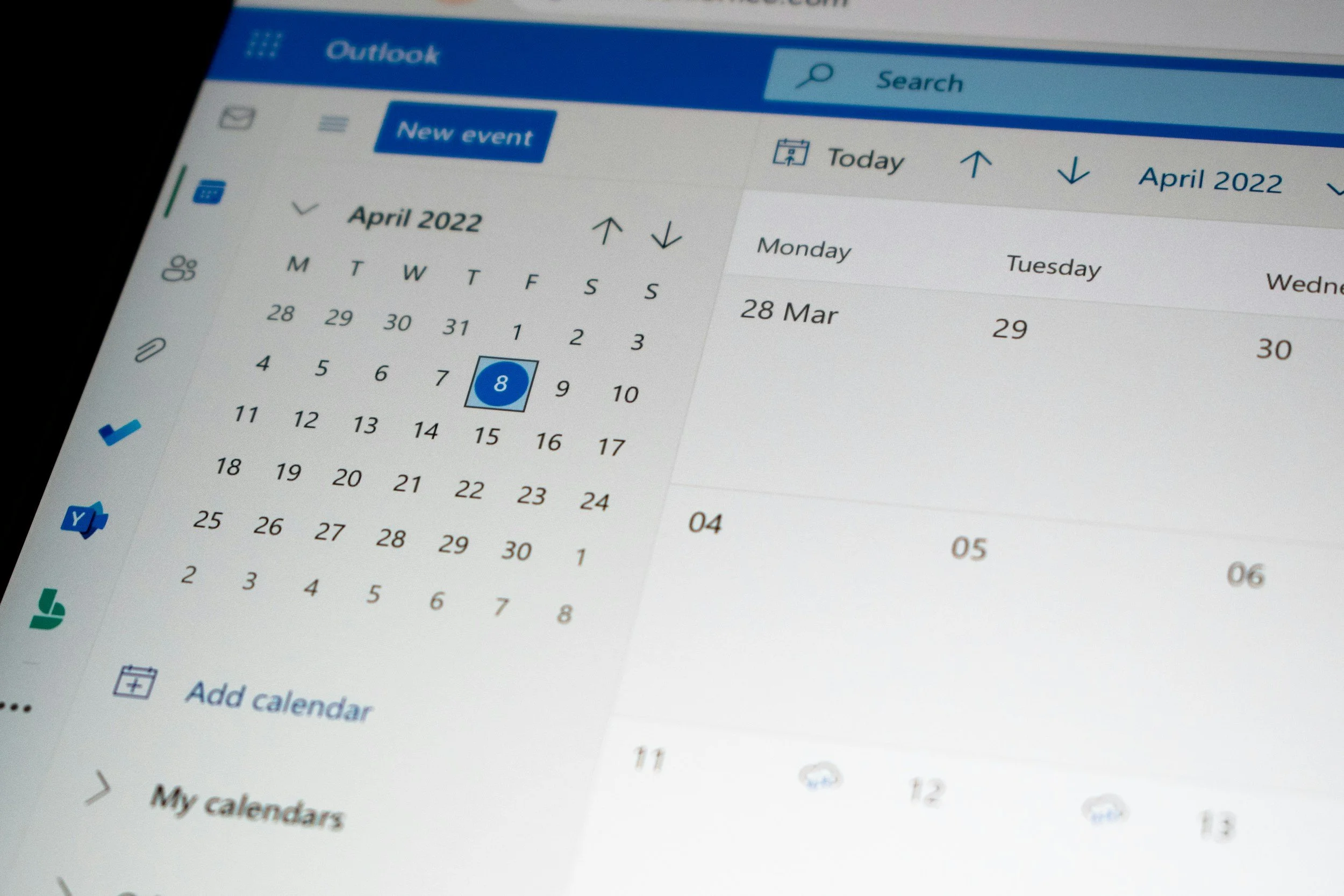
You book online.
I confirm the appointment and send an invitation to my patient portal to complete intake paperwork.

We do an intake
We go over what’s going on, what you’ve tried, and what you want. When it helps, we use short screenings for things like trauma symptoms, anxiety, and depression. Nobody needs to perform here.

We build a plan together
We start with whatever you need first, whether that’s getting steady, processing something specific, or building skills. You set the pace.
I went through the police and corrections academy as a young mom, raised my kids mostly on my own, and finished my degrees at the kitchen table. I know what burnout feels like in your bones, and I know how long you can look fine while it’s happening. I’m not going to hand you platitudes or coping tricks that fall apart on a bad day. Read my story.
I know this from both sides of the room
Frequently Asked Questions
-
Yes. You don’t need a PTSD diagnosis or a single traumatic event. Trauma-informed therapy can help with chronic stress, emotional exhaustion, anxiety, perfectionism, and trouble recovering from a demanding job.
-
They overlap a lot, and you don’t have to sort it out alone. We’ll do that together in the first sessions. If something needs a medical check or a different level of care, I’ll tell you.
-
EMDR, CPT, WET, PE, CBT, and DBT skills. We decide together based on your history and goals.
-
It depends on what you’re carrying and how long you’ve been carrying it. Some approaches, like CPT and WET, are structured and time-limited. Others take longer. We’ll talk about a realistic timeline at the start and check in as we go.
-
For many people, yes. You do the work in a place you control, without a commute. I’ll tell you if I think something isn’t a good fit for online. You do need to be in one of the states I’m licensed in at the time of your session.
-
Online sessions are $225 for 50 minutes, plus a one-time $250 intake. I’m private pay, I provide superbills for possible out-of-network reimbursement, and I keep a limited number of sliding-scale spots.
-
I’ve been where you are, and I work with people whose jobs have no off switch. I’m kind, down to earth, and I’m also blunt. I’ll tell you what I see, and I will call you on your BS.
Ready when you are
You don’t have to have it figured out. You just have to start. If you’re tired of carrying this alone, I’m here.
If you’re in crisis, call or text 988 or call 911.