

Therapy for Military Members, Veterans, and Contractors
You did the job. Nobody trained you for what comes after.

You’ve done things most people never will, and you carried what you saw home with you. Now you’re expected to just “be normal” at work, at the dinner table, in a crowded store with your back to the wall.
I’m Adrienne M. Koller, a licensed trauma therapist. I help service members, veterans, and contractors with PTSD, combat trauma, moral injury, and anger.
I offer online therapy in California, Texas, South Carolina, Florida, Utah, Maine, Idaho, Ohio, and Vermont.
Does this sound familiar?
Flashbacks, hypervigilance, or panic that comes out of nowhere
Nightmares, insomnia, or sleeping with one eye open
Fireworks, crowds, or a car backfiring put you right back
Rage you can’t explain and shame you can’t shake
Guilt about what happened or what didn’t
Feeling cut off from everything, even the people you love
Working, drinking, or staying busy to stay out of your own head
None of this makes you weak. You were trained to survive, and nobody showed you how to turn it off.
Explore the treatment approaches offered at Strong Self Psychotherapy:
I work with military members, veterans, and contractors who’ve been trained to survive, but not to feel.
In therapy, we work from the ground up rebuilding trust in your body, mind, and emotions. This isn’t about making you soft. It’s about making you free.
Together, we’ll work on:
Regulating your nervous system so you can sleep and breathe again
Reconnecting with your identity and purpose post-service
Creating a life that isn’t built on survival mode
PTSD, moral injury, and the loss nobody warned you about
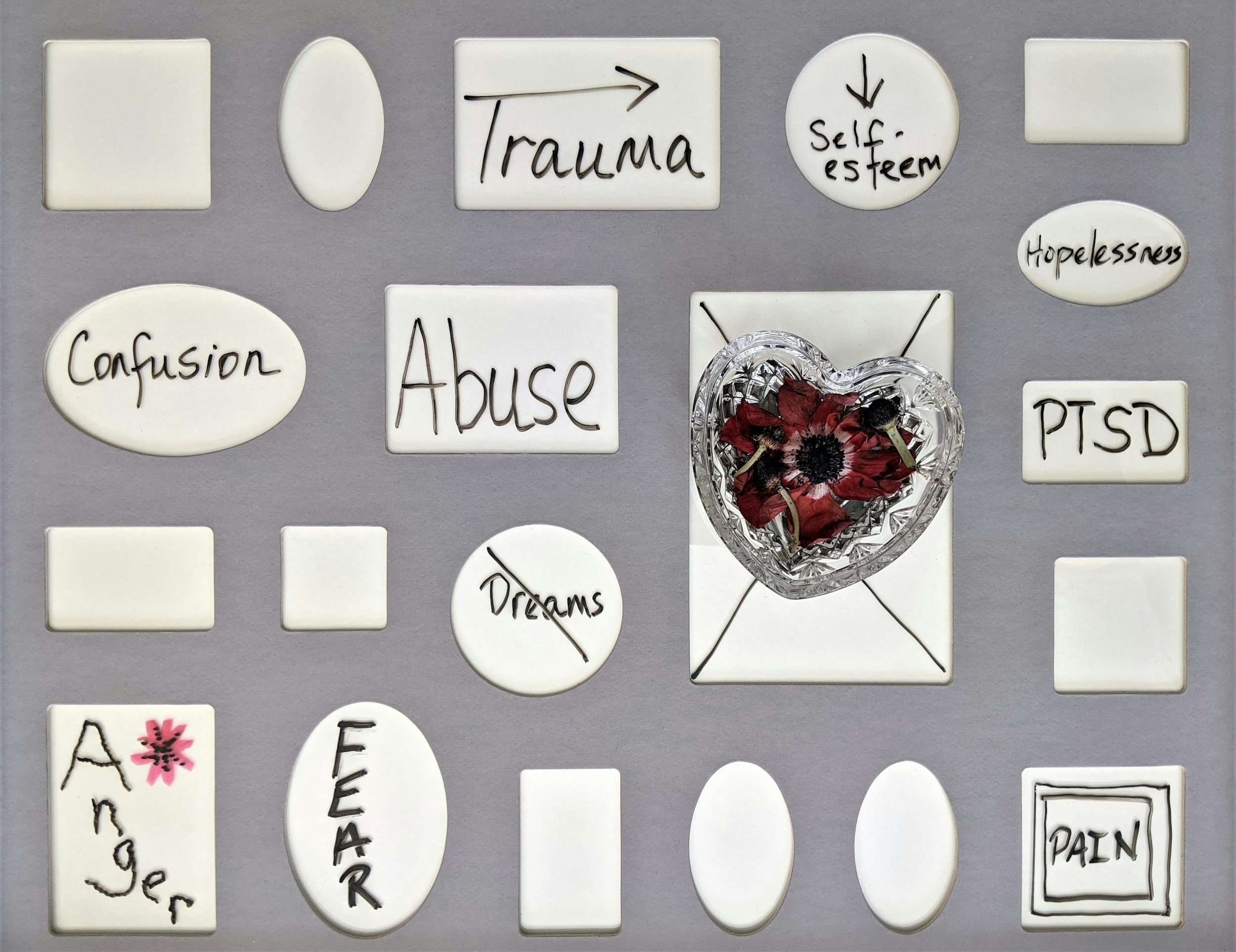
Your body is still treating civilian life like a threat. You scan exits, sleep light, and flinch at sounds nobody else notices. That’s training that never got switched off.
PTSD

Something happened, or didn’t, that violates what you believe is right. Maybe you did it, saw it, couldn’t stop it, or were let down by the people who were supposed to have your back. Guilt and shame aren’t the same as fear, and they need a different kind of work.
Moral Injury

You lost people. You may also have lost your unit, your purpose, and the person you were when you had a mission. Getting out can feel like losing a second family.
Grief and Lost Identity
You don’t have to know which one you’re dealing with. Most people carry more than one.
How I treat PTSD and combat trauma
-
Process traumatic memories so they stop hijacking the present.
-
Work through the stuck beliefs about blame, guilt, and trust that trauma leaves behind.
-
Gradually approach the memories and situations you’ve been avoiding.
-
A brief, structured approach where you write about what happened.
-
Change the thought and behavior patterns that keep anxiety and stress going.
-
Tools to regulate emotions, tolerate distress, and communicate under pressure.
I won’t ask you to talk about your feelings until the sun goes down. We start with the basics: sleep, your body, your reactions. Once you’re steadier, we work on what happened, at your pace. I’ll tell you straight when I see a pattern that’s costing you.
Together, we’ll work on:
Processing trauma: combat, moral injury, betrayal, and grief
Settling your nervous system so you can sleep and breathe again
Reconnecting with your identity and purpose after service
Building a life that isn’t built on survival mode
For military spouses and families who serve in silence

You didn’t wear the uniform, but you carry the cost.
Military life doesn’t just change the service member. It reshapes the whole family. I know this firsthand. I’m a military daughter, a military spouse, and a military mom, and I’ve lived the deployments, the homecomings, the grief, the pride, and the silence.
You’ve been the strong one. You waited, worried, moved, adapted, held it together, and lost parts of yourself in the process.
I offer therapy for:
Spouses and partners navigating reintegration, isolation, or resentment
Parents of service members coping with fear, grief, or trauma
Adult children healing from growing up in military homes
Teens and kids struggling with anxiety, identity, or transitions
You deserve support too. Your sacrifice is real, and this space is for you.
What people come to therapy hoping for
Sleeping through the night more often
Fewer flashbacks and less jumpiness
Feeling in control of your temper, not afraid of it
Putting down some of the guilt and shame
Feeling like a person again, not a threat or a patient
Coming home to yourself
I can’t promise how fast or how far you’ll get. I can promise to be straight with you about how it’s going.
What happens when you reach out

I confirm the appointment and send an invitation to my patient portal to complete intake paperwork.
You Schedule Online

We go over what’s going on, what you’ve tried, and what you want. When it helps, we use short screenings for things like trauma symptoms, anxiety, and depression. Nobody needs to explain the mission.
We Meet

We start with whatever you need first, whether that’s getting steady, working through something specific, or building skills. You set the pace.
We Build A Plan
Frequently Asked Questions
-
No. You don’t need a diagnosis, a combat deployment, or one defining event. Training accidents, years of high-tempo operations, losing friends, moral injury, and the strain of leaving the service can all leave marks. If it’s affecting your sleep, your temper, your relationships, or your work, it’s worth talking about.
-
Yes, within applicable legal and ethical limits. I’m private pay and independent of the military, the VA, and your employer. Standard documentation requirements and legally required disclosures still apply, including serious risk of harm to yourself or someone else.
-
I don’t report to your command, employer, or clearance investigators unless you sign a written release or the law requires it. Rules differ by branch, job, clearance level, and the forms you fill out, and the questions change over time. Before you answer any form, read the exact wording, and if you’re unsure, ask your security officer, a legal assistance office, or a clearance attorney. I’m glad to help you think it through in session.
-
Moral injury is the lasting pain that comes from doing, witnessing, or failing to stop something that violates your values, or from being betrayed by people you trusted. It often shows up as guilt, shame, anger, and the sense that you can’t forgive yourself. It isn’t a character flaw, and it isn’t the same as fear-based PTSD, so we work on it differently, with approaches like CPT that address stuck beliefs about blame and responsibility.
-
For many people, yes. You do the work in a place you control, with no drive to an office and no waiting room. I’ll tell you if I think something isn’t a good fit for online. For sessions inside the U.S., you need to be physically in one of the states I’m licensed in at the time of your session.
-
EMDR, CPT, PE, WET, CBT, and DBT skills. CPT, PE, and EMDR are among the treatments recommended in the VA/DoD guidelines for PTSD. We choose together based on your history, symptoms, and goals. Details here.
-
It depends on what you’re carrying and how long you’ve been carrying it. Some approaches, like CPT and WET, are structured and time-limited. Others take longer. We’ll talk about a realistic timeline at the start and check in as we go.
-
I offer online therapy in California, Texas, South Carolina, Florida, Utah, Maine, Idaho, Ohio, and Vermont. For sessions inside the U.S., you need to be physically in one of those states at the time of your session. If you’re stationed in Germany, see Therapy for U.S. Military & Federal Personnel Stationed in Germany. If you’re in Ventura, Oxnard, or Malibu, ask about Walk & Talk sessions.
-
Online sessions are $225 for 50 minutes, plus a one-time $250 intake. I’m private pay and provide superbills you can submit for out-of-network reimbursement. I keep a limited number of sliding-scale spots.
-
I’m private pay and not in-network with insurance, so I don’t bill TRICARE or the VA directly. I provide superbills you can submit for possible out-of-network reimbursement. If you’re looking for no-cost options, Military OneSource and Vet Centers may be available depending on your eligibility, and I’m glad to talk through your options.
You didn’t survive just to suffer in silence.
You don’t have to keep fighting your own mind. You’ve done the hard part. Reach out and we’ll start where you are.
If you’re in crisis, call or text 988 (press 1 for the Veterans Crisis Line) or call 911.